
Forex Trading for Beginners: A Comprehensive Guide
Forex trading, or foreign exchange trading, is a lucrative financial market where currencies are exchanged. For beginners looking to delve into this exciting world, knowledge and preparation are essential. In this article, we will provide a step-by-step guide to becoming a competent forex trader, covering key concepts, strategies, and crucial tips along the way. Whether you’re an aspiring trader or simply curious about forex, this guide will give you a solid foundation to build upon. To make informed trading choices, it’s also wise to look into resources like forex trading for beginners Best Indonesian Brokers to find the right tools and platforms.
Understanding Forex Trading
At its core, forex trading involves buying and selling currency pairs in hopes of making a profit from the changes in their exchange rates. The forex market operates 24 hours a day, five days a week, offering immense opportunities for regular traders. The main currency pairs include major currencies like the Euro (EUR), US Dollar (USD), Japanese Yen (JPY), and British Pound (GBP). Other minor and exotic pairs exist but may come with higher risks and lower liquidity.
The Basics of Forex Trading
1. Currency Pairs
In forex trading, currencies are quoted in pairs, such as EUR/USD or GBP/JPY. The first currency in the pair is the base currency, while the second is the quote currency. The exchange rate indicates how much of the quote currency is needed to purchase one unit of the base currency. Understanding how these pairs work is critical to starting your trading journey.
2. Pips and Lots
A “pip” or “percentage in point” is the smallest price move that can occur in the exchange rate of a currency pair, typically representing 0.0001 for most pairs. A “lot” measures the size of the trade, with a standard lot typically being 100,000 units of the base currency, while mini and micro lots represent 10,000 and 1,000 units respectively. Trading in different lot sizes allows traders to control their exposure and risk.
3. Leverage
Leverage allows traders to control larger positions than their initial investment. For instance, if a broker offers 100:1 leverage, you can control $100,000 with only $1,000 in your trading account. While leverage can magnify profits, it equally increases risk. As a beginner, it is crucial to use leverage wisely.
Getting Started with Forex Trading
1. Choose a Reputable Broker
Your choice of a forex broker will significantly impact your trading experience. Look for licensed and regulated brokers, read reviews, and consider factors like spreads, commissions, and trading platforms. The right broker provides a secure trading environment and useful trading tools.
2. Create a Trading Account
After selecting a broker, you will need to create a trading account. Most brokers offer demo accounts, which allow you to practice trading with virtual money. This is an excellent way for beginners to get accustomed to the trading platform and develop strategies without financial risk.
3. Develop a Trading Plan
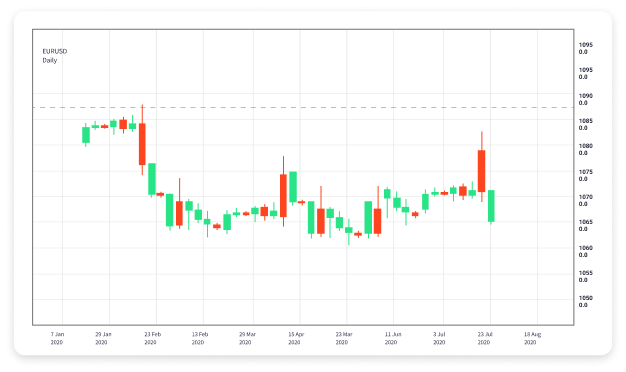
A well-structured trading plan is crucial for success in forex trading. Your plan should outline your trading goals, risk tolerance, preferred trading style, and strategies. Determine how much capital you are willing to risk on each trade and stick to your plan to avoid emotional trading.
Forex Trading Strategies for Beginners
1. Day Trading
Day trading involves buying and selling currency pairs within a single trading day. Day traders aim to capitalize on small price movements and close positions before the market closes to avoid overnight risk. This strategy demands continuous monitoring and quick decision-making.
2. Swing Trading
Swing trading involves holding positions for several days or weeks to profit from ‘swings’ in the market. Swing traders use technical analysis to identify potential entry and exit points and typically require less frequent monitoring compared to day traders.
3. Position Trading
Position trading is a long-term strategy where traders hold positions for weeks or months. This approach relies on fundamental analysis and long-term trends instead of short-term price movements. Position trading can be less stressful but requires patience.
Risk Management in Forex Trading
Effective risk management is essential to protect your trading capital. Here are some strategies to consider:
- Use Stop-Loss Orders: A stop-loss order automatically closes a position at a predefined price to limit losses. Always set stop-loss levels to protect your investments.
- Limit Your Leverage: While leverage can increase profit potential, it also escalates risk. Stick to a leverage level you are comfortable managing.
- Risk a Small Percentage: Only risk a small percentage of your trading capital per trade, typically 1-2%, to minimize the impact of losing trades on your overall account.
Continuous Learning and Practice
The forex market is dynamic and constantly evolving. To be successful, traders should commit to continuous learning and adaptability. Engage in online courses, read forex-related books, follow market analysis, and join trading communities. Additionally, regularly practice on a demo account to hone your skills without financial risk.
Conclusion
Forex trading can offer exciting opportunities for financial growth and investment. However, as a beginner, it is imperative to understand the basics, develop a trading plan, and practice sound risk management. Take the time to learn and practice before investing real capital. The path to success may take time, but with persistence and informed strategies, you can become a proficient forex trader.
Leave a Reply