Essential Forex Trading Strategies for Beginners
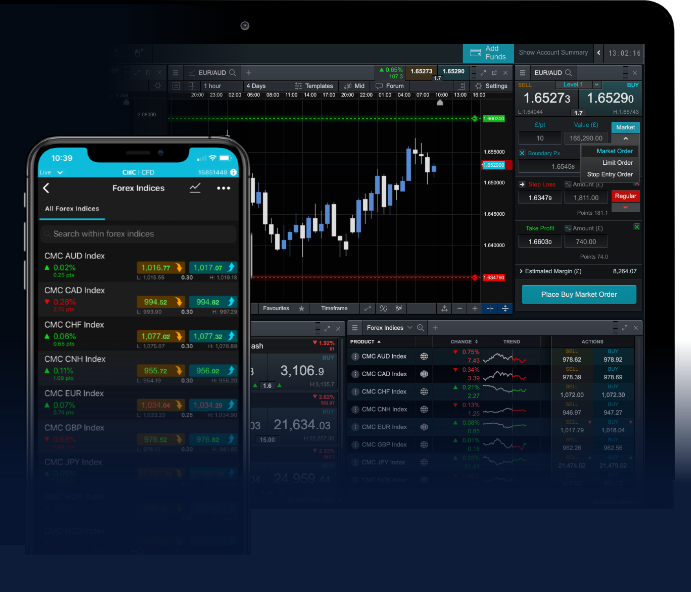
Forex trading can seem overwhelming for beginners, but with the right strategies and a basic understanding of market dynamics, newcomers can set themselves up for success. Whether you are looking to trade full-time or just testing the waters, grasping key strategies is crucial for navigating the Forex market effectively. Furthermore, choosing a reliable trading platform can also greatly enhance your trading experience. You can find more about that at forex trading strategies for beginners Forex Trading Platforms. In this article, we’ll explore some effective Forex trading strategies suited for beginners, along with tips to make the most of your trading journey.
Understanding the Forex Market
The Foreign Exchange Market, or Forex, is a decentralized global market where currencies are traded. It operates 24 hours a day, five days a week, and is the most liquid market in the world. With trillions of dollars exchanged daily, understanding basic terms such as currency pairs, pips, and leverage is fundamental before diving into specific trading strategies.
The Importance of Having a Trading Plan
One of the most critical elements of successful trading is having a clear and structured trading plan. A trading plan outlines your trading goals, risk tolerance, and strategies you’ll employ. It should include:
- Your target profit: Define what constitutes a successful trade for you.
- Risk management: Decide how much capital you are willing to risk on each trade.
- Trading strategies: Specify the methods and tools you’ll use to make trading decisions.
Popular Forex Trading Strategies for Beginners
1. Trend Following Strategy
The trend-following strategy is about identifying the direction of market momentum. Traders typically utilize tools such as moving averages or trend lines to determine the overall trend. If the market is rising, most traders will go long (buy), and if it’s falling, they’ll go short (sell). The key to mastering this strategy is patience and discipline, as trends can take time to develop.
2. Range Trading Strategy
Range trading focuses on identifying price ranges within which a currency pair is confined. When prices hit the resistance level (the upper boundary), traders will look to sell, while at the support level (the lower boundary), they will look to buy. This strategy can be effective in a sideways-moving market where prices oscillate between defined levels.
3. Breakout Strategy

The breakout strategy involves entering a trade once the price breaks through a support or resistance level. The idea is to capture a significant price movement that generally occurs after a breakout. Traders often look for high volume at the time of the breakout to confirm the strength of the move.
4. Carry Trade
The carry trade takes advantage of the difference in interest rates between two currencies. Traders will borrow funds in a currency with a lower interest rate and invest them in a currency with a higher interest rate. This strategy can yield profits through interest rate differentials as well as currency appreciation; however, it carries risks, especially if market conditions change dramatically.
Risk Management in Forex Trading
Regardless of the trading strategy you choose, risk management is paramount. Here are some essential risk management techniques for beginners:
- Use stop-loss orders: Automatically close a trade at a predetermined price to limit losses.
- Diversify your trades: Avoid putting all your capital in one trade to spread risk across multiple positions.
- Calculate your risk-reward ratio: Ensure your potential profits justify the risks involved in each trade.
Finding the Right Trading Platform
Choosing the right Forex Trading Platform is fundamental for successful trading. Look for a platform that offers a user-friendly interface, a wide range of trading tools, and robust customer support. Research various platforms to find one that suits your trading style and needs.
Education and Continuous Learning
Regular education is crucial in Forex trading. Stay updated with market news, economic events, and geopolitical developments that can impact currency movements. Numerous resources are available online, including webinars, courses, and forums, where traders share knowledge and strategies. Consider following market analysts and financial news sites to understand broader market trends.
Starting to Trade: Demo vs. Real Account
Before diving into live trading, it’s advisable to practice with a demo account. This allows beginners to familiarize themselves with the trading platform and test their strategies without risking real money. Once you gain enough confidence and experience, you can transition to a real account and start trading with actual capital.
Conclusion
Forex trading can be a rewarding yet challenging endeavor for beginners. By understanding fundamental strategies, employing effective risk management techniques, and continually educating yourself, you can build a solid foundation for a successful trading career. Remember that every trader’s journey is unique and requires patience and persistence. Start small, stay disciplined, and don’t hesitate to seek out additional resources as you grow in your trading journey.
Leave a Reply